Sanctions workaround: North Korea had an estimated 35,600–101,280 workers in at least 17 countries in 2025, generating roughly $450 million–$800 million despite UN restrictions on overseas labor.
China leads hosting: China was estimated to host 20,000–70,000 North Korean workers, concentrated in border provinces and industries including garments, fisheries, electronics and IT.
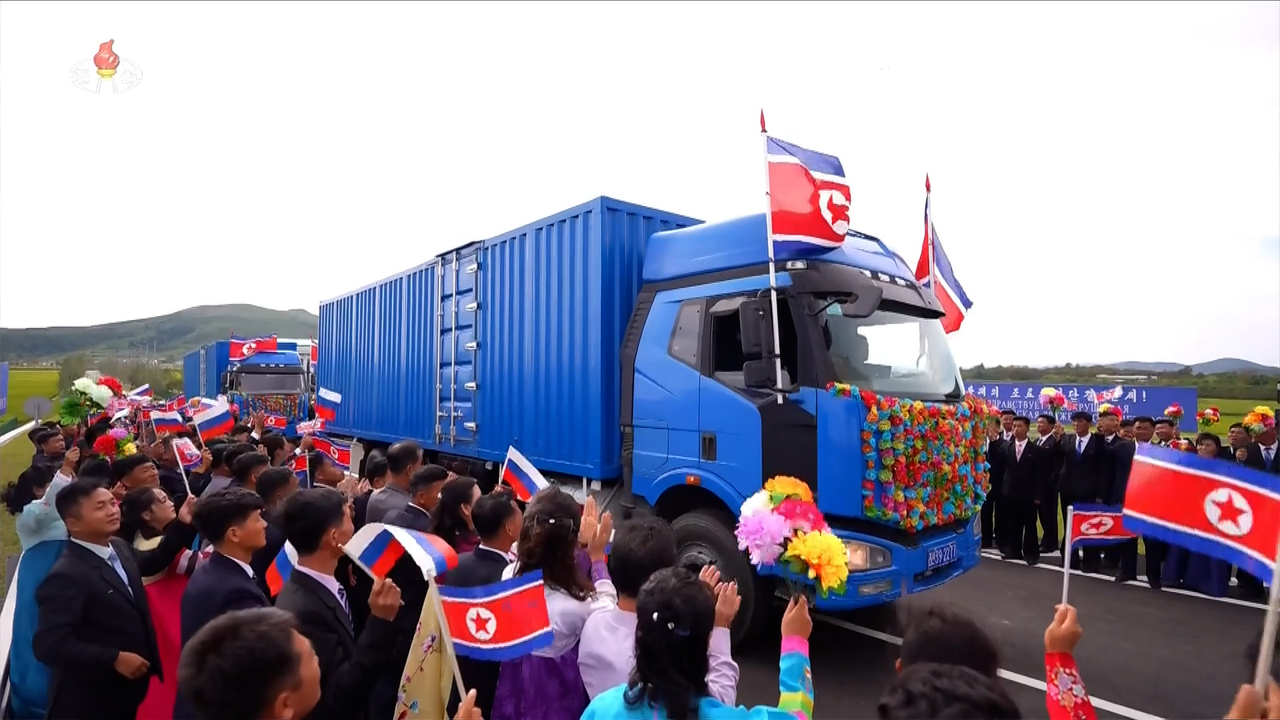
Russia expands role: Russia hosted about 15,000–30,000 workers by the end of 2025, with deployments spanning construction, agriculture, manufacturing and reportedly military-related facilities.
Visa loopholes: The report says workers are often admitted through student, training or technical-exchange programs; more than 98 percent of Russian visas issued to North Koreans in 2025 were reportedly student visas.
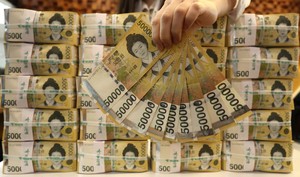
Wages heavily seized: North Korean authorities allegedly confiscate 80–90% of overseas workers’ earnings, sometimes imposing payments exceeding actual wages and leaving workers indebted.
Military funding link: The 11-nation monitoring group says labor revenue helps finance North Korea’s nuclear and ballistic-missile programs, with trading firms using proceeds to procure military supplies and other goods.
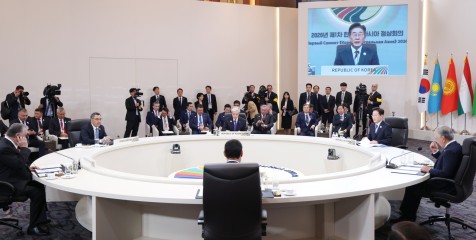
Monitoring pressure grows: The Multilateral Sanctions Monitoring Team, formed after Russia ended the UN expert panel’s mandate in 2024, urged countries to act against facilitators and called for restoration of UN-level sanctions monitoring.
mkjung@heraldcorp.com